
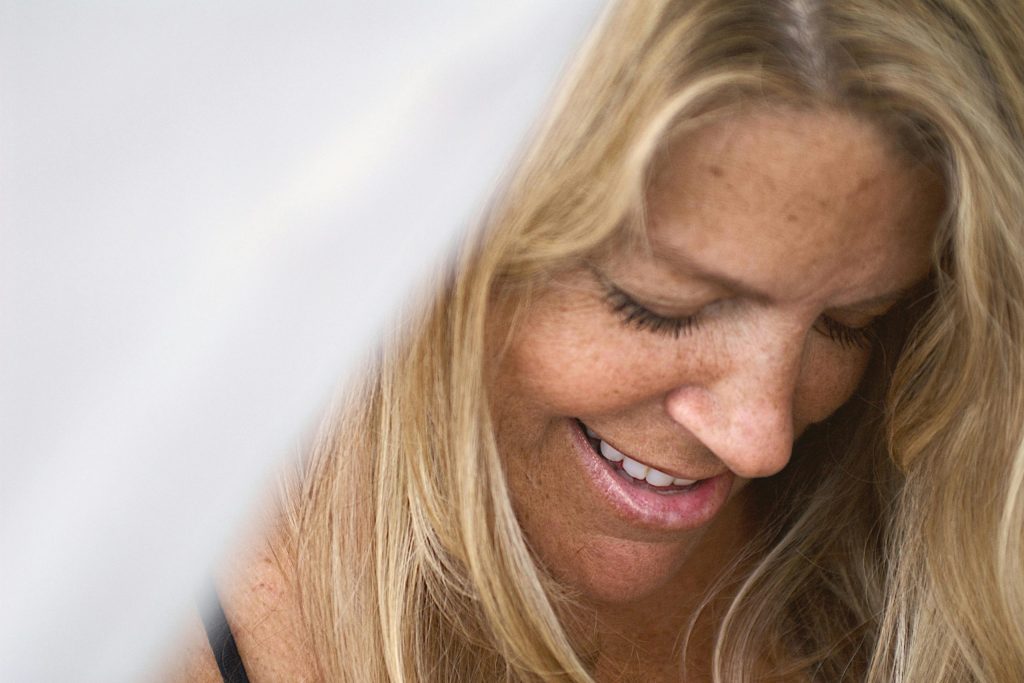
A Tuesday Morning at 9 AM in Rehab
Picture a room with eight chairs in a loose circle. Someone’s holding a coffee cup with both hands, staring at the floor. Another person just laughed, maybe nervously, maybe genuinely. A licensed therapist opens with a question that sounds simple but isn’t: “What made you angry this week, and what did you do about it?” That’s a real moment inside treatment. Not a brochure photo. Not a motivational poster. Just people doing hard, specific work on a random weekday morning.
Most of what people imagine about drug rehab in New Jersey comes from television or secondhand stories. The actual experience looks different — quieter in some ways, more demanding in others. Stage by stage, here’s what the process typically involves, so you know what you’re walking into.
Detox Isn’t the Hard Part — It’s What Comes After
If you need medically supervised withdrawal, that comes first. Depending on the substance, detox can last anywhere from a few days to a couple of weeks. Medical staff monitor your vitals, manage symptoms with appropriate medications, and keep you safe while your body stabilizes. What most people don’t realize: detox by itself isn’t treatment. It’s preparation.
The real work starts once you’re physically stable enough to sit in a room, think clearly, and participate. Federal public health research shows recovery moves through stabilization, skill-building, relapse-risk management, and long-term maintenance — and people often cycle through these stages rather than passing through them once in a straight line. That’s not failure. That’s how the process actually functions.
What a Typical Day Looks Like
You might expect free time and quiet reflection. There’s some of that. But structured programming fills most of your waking hours. A standard residential day often includes:
- Morning check-in or meditation — a brief group where you report how you’re feeling and set an intention for the day.
- Individual therapy session — usually once or twice a week with a licensed counselor who stays with you throughout your treatment.
- Group therapy — one to three sessions daily, covering topics like cognitive behavioral skills, motivational interviewing techniques, relapse prevention, or processing trauma.
- Psychoeducation — classes about how substances affect the brain, how co-occurring mental health conditions interact with addiction, and how medications can support recovery.
- Peer support or mutual-aid meetings — 12-step or alternative recovery groups, often facilitated by someone who’s been through treatment themselves.
- Evening wind-down — journaling, recreational activity, or informal peer connection before lights out.
Does that sound more like school than a spa? Good — because the purpose is skill-building, not rest. You’re learning specific tools you’ll use after discharge, which is where the stakes get real.
Why Your Treatment Plan Won’t Match Someone Else’s
Two people admitted on the same day can leave with completely different recovery plans. One person seeking treatment for prescription drug addiction might benefit from medication-assisted treatment combined with individual therapy. Someone else in alcohol rehab in New Jersey might respond best to intensive group work and family counseling — no medication involved at all.
Treatment choice depends on severity, mental health history, cultural background, socioeconomic realities, and what substances are involved. Federal guidance from SAMHSA recognizes three broad recovery pathways: clinical treatment, non-clinical community supports (like peer recovery coaching or recovery housing), and self-managed recovery. Most people end up using some combination. Expecting a one-size-fits-all program? That’s a red flag, not a feature.
The Transition That Makes or Breaks Long-Term Recovery
Residential treatment eventually ends. Then what? This transition — from a structured environment back to your regular life — is where most people underestimate the difficulty. And where programs that stop at discharge fall short.
Step-down care matters more than most people think. That can mean intensive outpatient programming three to five days a week, recovery housing with peer accountability, ongoing individual therapy, or regular check-ins with a psychiatrist managing your medication. Research consistently shows that longer engagement in some form of support after residential treatment correlates with better outcomes. Not marginally better. Significantly.
Community-based supports are also becoming a recognized part of the picture — not just “extras” tacked on afterward. Recovery community centers, peer recovery coaches, mutual-aid groups, and even technology-based support platforms all play legitimate roles. If you want to explore a specific type of care, most people benefit from layering multiple supports rather than betting everything on one.
What Families Actually Experience
Family programming isn’t optional window dressing. Many residential programs include structured family sessions — sometimes weekly, sometimes biweekly — where a therapist helps you and your family members address communication patterns, set boundaries, and rebuild trust. These sessions can be uncomfortable. Good. They’re supposed to be.
Your family didn’t develop their coping mechanisms overnight, and they won’t change them overnight either. Understanding how addiction affected your household — and how your household may have inadvertently supported the cycle — gives everyone a clearer path forward. Learning about how holistic treatments integrate into drug rehab can also help families understand the broader treatment philosophy their loved one is working through.
A Quick Self-Check Before You Call
Before choosing a program, ask yourself these questions:
- Does the program offer individualized treatment plans based on clinical assessment — or a fixed curriculum everyone follows?
- What happens after residential care? Is there a step-down plan, or does support stop at discharge?
- Are licensed clinicians (not just techs) leading therapy groups and individual sessions?
- Can the program address co-occurring mental health conditions alongside substance use?
- Is family involvement part of the treatment structure?
If a facility can’t answer those clearly, keep looking.
Ready to Talk Specifics?
Recovery inside rehab isn’t a mystery — it’s a structured, sometimes messy, always demanding process that looks different for every person who walks through the door. You deserve to know exactly what you’re signing up for before you commit. Pick up the phone right now and call (833) 610-1174 — ask the hard questions, push back if something doesn’t add up, and find out whether this program actually fits what you need. Someone who’s been through it will answer.