How Holistic Therapies Support Recovery in Outpatient Rehab
Recovery from addiction takes more than talk therapy alone. Many treatment centers now blend proven medical care with holistic methods. These natural therapies treat the whole person: mind, body, and spirit. They work best when paired with core treatments like counseling and group sessions. Let’s explore which holistic tools show up in outpatient programs and why they matter.
What Does “Holistic” Mean in This Context?
Holistic care looks at your full health, not just the addiction. It covers five key areas: physical, emotional, social, spiritual, and mental wellness. Programs that use this model want to heal every part of your life. Consequently, they add natural methods on top of standard clinical treatment.
Holistic therapies are not stand-alone cures. Reputable programs use them as add-ons to evidence-based care. Think of them as extra tools in your recovery toolbox. Treatments like CBT, group therapy, and medication still form the backbone of most plans.
Common Holistic Therapies You’ll Find
Outpatient rehab programs now offer a wide range of holistic options. Here are some of the most popular ones.
Yoga, Tai Chi, and Movement
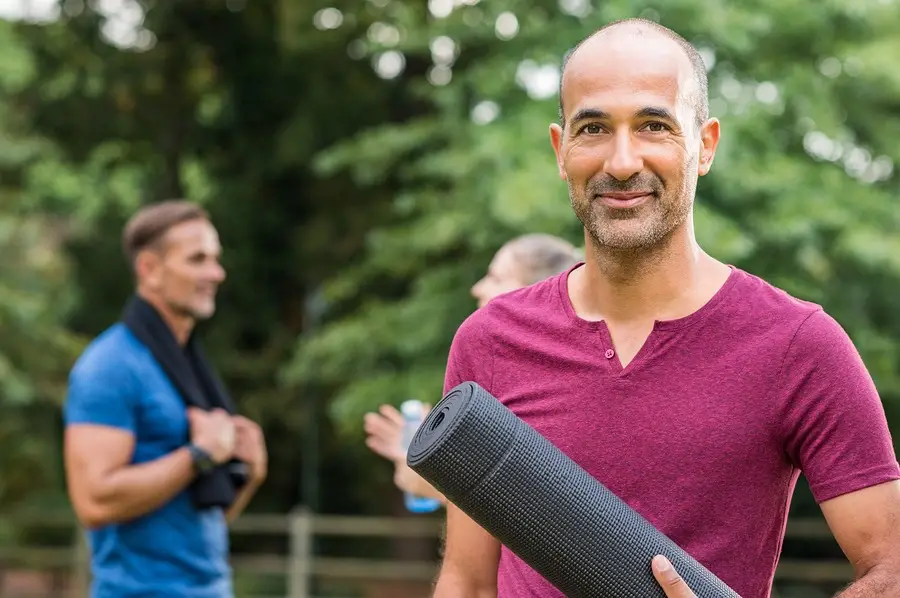
Gentle movement helps reduce stress and calm the nervous system. Yoga and tai chi build body awareness, which is key for people in recovery. These practices are easy to do at home between sessions. Even a short daily routine can lower anxiety and improve sleep.
Meditation and Mindfulness
Mindfulness teaches you to sit with uncomfortable feelings. Rather than reaching for a substance, you learn to observe a craving and let it pass. Programs often teach simple breathing exercises too. These skills are portable, so you can use them at work, at home, or in high-risk settings.
Nutrition Counseling
Chronic substance use drains the body of vital nutrients. Good nutrition helps repair that damage. Many outpatient programs include meal planning and diet guidance. Eating well boosts energy, mood, and focus during recovery.
Art and Music Therapy
Creative outlets let people process trauma without words. Art therapy uses drawing, painting, or sculpture to express hard emotions. Similarly, music therapy can help release tension and build emotional coping skills. Both work well in group or one-on-one formats.
Acupuncture and Massage
Acupuncture may help ease withdrawal symptoms and reduce cravings. Massage therapy targets chronic pain, a common issue among people in recovery. Addressing pain through natural methods lowers the urge to self-medicate. These sessions fit well into a weekly outpatient schedule.
Animal-Assisted Therapy
Working with animals, especially horses, builds trust and emotional control. Equine therapy, for example, asks participants to care for and interact with horses. This process teaches patience, empathy, and healthy boundaries.
Why Holistic Care Fits Outpatient Programs So Well
People in drug rehab on an outpatient basis face a unique challenge. They must manage recovery while living their daily lives. Unlike residential care, they go home each evening. Therefore, they need practical tools that travel with them.
Holistic therapies fill the gaps between sessions. Breathwork can stop a craving during a tough day. A yoga routine brings calm before bed. Nutrition habits give the body steady fuel. Meanwhile, creative outlets offer a safe way to handle stress after hours. National research on treatment outcomes shows that finding programs that treat the whole person can boost long-term outcomes.
Treating Co-Occurring Issues Naturally
Many people in outpatient care deal with more than just addiction. Sleep problems, chronic pain, anxiety, and trauma often tag along. Holistic methods directly address these co-occurring issues. Meditation helps with insomnia. Massage eases physical pain. Art therapy opens a door to trauma processing.
Addressing these problems reduces the need to self-medicate. Specifically, when someone sleeps better and feels less pain, they face fewer triggers. This approach builds a stronger foundation for lasting sobriety.
Building a Lifestyle That Supports Long-Term Recovery
Holistic therapies promote sustainable habits, not just short-term fixes. Exercise, healthy eating, and stress management become part of daily life. Over time, these routines replace old patterns tied to substance use. Furthermore, they give people a sense of purpose and routine.
Recovery is not a finish line, but a way of living. Holistic tools help people build that life one day at a time. Notably, the blend of clinical and natural care creates a well-rounded path forward.
Take the Next Step Today
You deserve a recovery plan that treats every part of you. If you’re ready to explore holistic options in an outpatient setting, reach out now. Call (833) 610-1174 to learn how our team can help you build a healthier, more balanced life in recovery.